光学ガラス
水酸化バリウムは光学ガラスに使用され、屈折率と光透過率を高め、熱安定性や表面の光沢を向上させることで、高性能な光学製品の製造に役立っています。

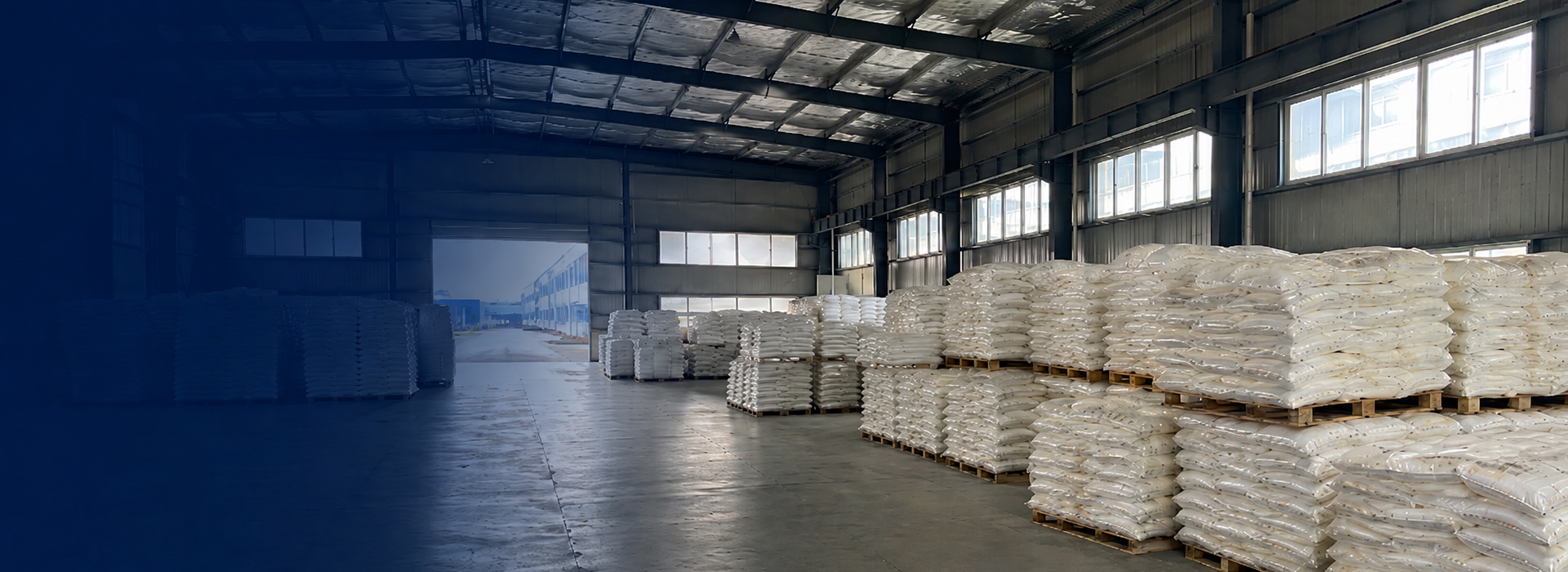
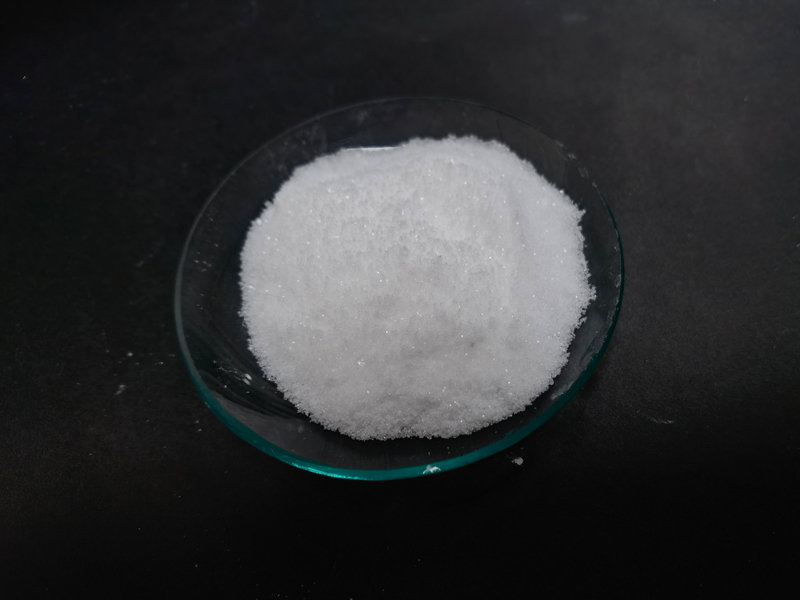
Octahydrate specifically designed for the advanced electronics and nanomaterials industry. Through our proprietary multi-stage recrystallization and deep-purification technologies, we restrict trace metal impurities (such as Strontium, Iron, and Sodium) to the low parts-per-million (ppm) level. Our product ensures the precise stoichiometry required for synthesizing high-performance Barium Titanate (BaTiO3) and other electro-ceramic precursors.
Houjin chemicals engineers ultra-high purity Electronic Grade Barium Hydroxide Octahydrate specifically designed for the advanced electronics and nanomaterials industry. Through our proprietary multi-stage recrystallization and deep-purification technologies, we restrict trace metal impurities (such as Strontium, Iron, and Sodium) to the low parts-per-million (ppm) level. Our product ensures the precise stoichiometry required for synthesizing high-performance Barium Titanate (BaTiO3) and other electro-ceramic precursors.
Product Information
Item | Specification |
Product Name | High Purity Barium Hydroxide Octahydrate |
Formula | Ba(OH)2·8H2O |
CAS No. | 12230-71-6 |
EINECS Number | 241-234-5 |
Appearance | White crystal |
Purity | High purity grade |
Packaging | 25kg bag |
Origin | China |
Technical Specification
Item | Electronic Grade Specification |
Purity (Ba(OH)2·8H2O) | ≥ 97% |
Strontium (Sr) | ≤ 50PPM |
Iron (Fe) | ≤ 3 ppm |
Sodium (Na) + Potassium (K) | ≤ 50 ppm |
Calcium (Ca) | ≤ 20 ppm |
Chloride (Cl) | ≤ 100 ppm |
Barium Carbonate (BaCO3) | ≤ 0.2% |
Electronic Ceramics (MLCC Dielectric Materials & BaTiO₃ Production)
Used as a high-purity barium source for:
· Barium Titanate synthesis
· MLCC (Multilayer Ceramic Capacitors) dielectric ceramics
· Electronic ceramic capacitors
· PTC thermistors
· Ferroelectric and piezoelectric ceramics
Optical Glass / Display Glass Materials
Used in:
· Optical glass manufacturing
· LCD glass substrates
· OLED display glass
· Low-iron high-transparency glass
Advanced Nanomaterials & Catalysts
Used as:
· Precursor for mixed-metal oxides
· Co-precipitation synthesis
· Nano ceramic materials
· Catalyst materials
· Standard Packaging: 25kg multi-layer woven bags with highly secure PE inner liners, or 1000kg Jumbo bags.
· Storage Conditions: Prone to caking and carbonation. It easily loses water of crystallization in dry air, and rapidly absorbs CO2 to form Barium Carbonate. Must be stored in a cool, well-ventilated, and strictly dry warehouse. Keep bags sealed tightly.
· Safety Handling: Strong alkali and toxic. Use appropriate personal protective equipment (PPE) when handling.
水酸化バリウムは光学ガラスに使用され、屈折率と光透過率を高め、熱安定性や表面の光沢を向上させることで、高性能な光学製品の製造に役立っています。

高純度バリウム源として以下に使用されます: ・バリアンチタン酸化物の合成 ・MLCC(多層セラミックコンデンサ)用誘電体セラミックス ・電子用セラミックコンデンサ ・PTCサーミスタ ・フェロエレクトリックおよび圧電セラミックス
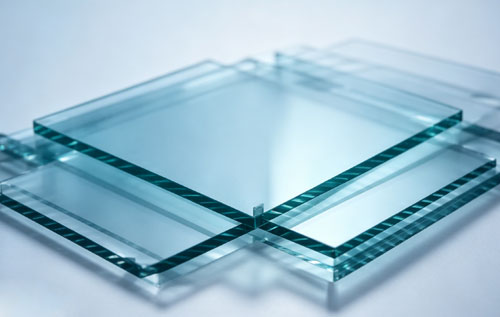
水酸化バリウムは、屈折率、光透過率および熱安定性を高めることで光学ガラスの性能を向上させ、精密光学部品に最適です。
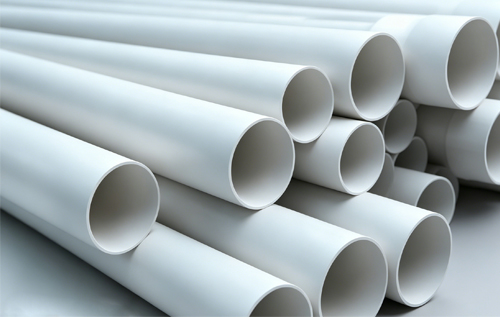
塩化バリウム二水和物は、PVC安定剤としてBa²⁺イオンを供給し、PVC製品の熱安定性および加工性能を向上させるための主要な反応物質として機能します。

八水酸バリウム水酸化物は水処理に使用され、重金属や不純物を除去し、水のpH値を調整するとともに、工業廃水を効率的に浄化します。
You can contact us for:
· Fast RFQ response (within 24 hours)
· Technical consultation for MLCC / BaTiO₃ applications
· Customized specifications
· Free sample request
Looking for a reliable Barium Hydroxide Octahydrate manufacturer in China?
Contact us for professional industrial solutions.
We are a professional manufacturer established in 1996, specializing in barium salt production, including:
· Barium Hydroxide Octahydrate
· Barium Hydroxide Monohydrate
· Barium Chloride series
· High purity barium chemicals
We operate a factory-based production system with global export capability.
Yes. We support:
· Laboratory testing samples (100g–500g)
· Application evaluation samples
· Custom specification samples
Samples are available for MLCC, BaTiO₃, and glass applications.
Yes. We provide full technical documentation, including:
· COA (Certificate of Analysis)
· SDS (Safety Data Sheet)
· TDS (Technical Data Sheet)
These documents are available for quality verification, import clearance, and technical evaluation.
In electronic grade products, strict impurity limits are controlled, including:
· Sr (Strontium)
· Fe (Iron)
· Na (Sodium)
· K (Potassium)
· Ca (Calcium)
· Cl⁻ (Chloride)
Low impurity levels are essential for electronic ceramics and MLCC applications.
Yes. It is highly soluble in water and dissociates as:
Ba(OH)₂ → Ba²⁺ + 2OH⁻
This strong alkalinity makes it suitable for precipitation reactions and chemical synthesis.
Type | Key Difference |
Octahydrate | Higher water content, easier dissolution, widely used in wet chemical processes |
Monohydrate | Higher active Ba content, more efficient for industrial reactions |
Selection depends on process requirements, cost efficiency, and water control sensitivity.
Yes. High purity Barium Hydroxide Octahydrate is widely used in optical and specialty glass production.
It helps improve:
· Optical clarity
· Refractive index control
· Chemical stability
· Low-iron glass performance
It is commonly used in:
· Optical glass
· LCD display glass substrates
· OLED glass
· High transparency specialty glass
In hydrothermal processes, Barium Hydroxide provides:
· Ba²⁺ ions (barium source)
· Strong alkaline environment (OH⁻)
This enables:
· Controlled crystal growth
· Uniform particle size distribution
· High-purity ceramic precursor formation
It is essential for producing advanced nano-ceramic materials.
Yes. It is widely used as a key barium source in the synthesis of Barium Titanate.
It is commonly applied in:
· Hydrothermal synthesis
· Wet chemical precipitation
· Co-precipitation methods
Its high solubility and strong alkalinity help control particle size, morphology, and purity of BaTiO₃ powders.
In MLCC (Multilayer Ceramic Capacitors) and electronic ceramics, impurity control is critical.
Trace elements such as:
· Iron (Fe)
· Sodium (Na)
· Calcium (Ca)
· Silicon (Si)
can significantly affect:
· Dielectric constant
· Crystal structure stability
· Electrical performance
· Long-term reliability
Therefore, high purity barium hydroxide is required to ensure stable BaTiO₃ ceramic performance.
Barium Hydroxide Octahydrate is widely used as a high-purity barium source in industrial and advanced material applications, including:
· Electronic ceramics (MLCC dielectric materials)
· Barium Titanate (BaTiO₃) production
· Optical and display glass manufacturing
· Water treatment (sulfate removal)
· Lubricant additives and PVC stabilizers
It provides stable Ba²⁺ ions for controlled chemical reactions in high-end material synthesis.